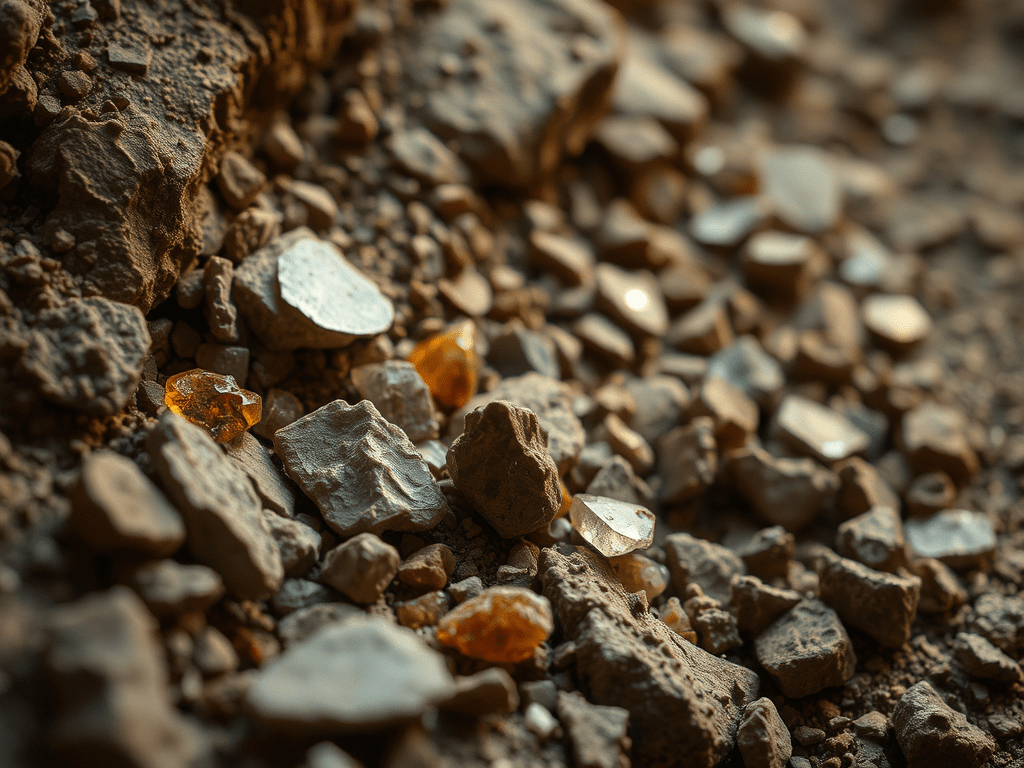
Am I a rockhounder? Just pondering this question means you likely are. A question posed far more often is…..what is rockhounding? And why would someone be enticed to do something like that? Let’s unravel the mystery.
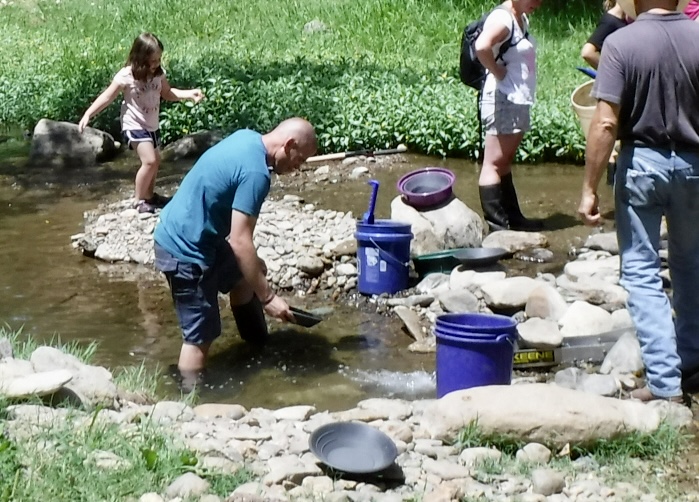
Rockhounding is a hobby and practice involving the collection, study, and appreciation of rocks, minerals, and gemstones. Enthusiasts, known as rockhounds or rockhounders explore various natural environments to find and collect interesting specimens. We go everywhere (with permission) rocks are found mountain sides, forests, mines, rivers, and beaches. The hobby combines elements of geology, outdoor exploration, and often a bit of adventure.
It’s a great way to connect with nature and learn more about geology. If this seems like a selling point for you, then you have the heart of a rockhounder. Grab yourself a tool set and let’s go.

Some of the key aspects of this hobby are collecting and identifying your newly acquired specimens. Rockhounds seek out a variety of rocks, minerals, and gemstones. These can range from common finds like quartz to rare specimens like opals and garnets. The thrill of finding a unique or valuable specimen is exciting. Each rock or mineral is like a small treasure waiting to be uncovered.
Collection methods include surface picking, digging, panning, and sifting. Depending on the location and type of material. Learning to identify different types of rocks and minerals is a key part of the hobby. There are three main types: igneous (formed from cooled magma), sedimentary (formed from layers of sediment), and metamorphic (formed under heat and pressure). So, get those pickaxes out. And don’t forget your protective eye wear.
Rockhounding can lead you to visiting various natural settings, including mountains, riverbeds, beaches, and old mining areas. This is another appealing aspect of the hobby. It often involves hiking, climbing, and other physical activities, which can be good for fitness. Different locations offer a wide range of finds, from colorful gemstones to interesting mineral formations. Collecting is often done on public lands, but it’s important to check regulations. Permission is needed for private property. Collected specimens can be used in crafting, making jewelry, or other creative projects, adding a personal touch to their finds.
Learning and community are a big draw in to rockhounders. Rockhounding often involves joining clubs or groups, where enthusiasts can share their passion, learn from each other, and participate in group activities or field trips. Gem and mineral shows and other events provide opportunities to meet fellow rockhounds and exchange knowledge and specimens. Rockhounding provides an opportunity to learn about geology, including the formation processes of various rocks and minerals. Enthusiasts develop skills in identifying and classifying different types of rocks and minerals, deepening their understanding of Earth’s history.
Environmental awareness and ethical collection are important aspects of rockhounding. Many rockhounds develop a deeper appreciation for the environment and become advocates for conservation and sustainable practices. Responsible rockhounding involves following guidelines to avoid damaging the environment and respecting local regulations. Leave no trace is a good motto to go by here.
Overall, rockhounding offers a rich mix of adventure, learning, creativity, and connection to nature, making it a fulfilling and multifaceted hobby. Whether you’re driven by the thrill of discovery, the joy of collecting, or the pleasure of being outdoors, there’s something in rockhounding for everyone.


 Tina with the tea